
Dear Parent,
In the last week, I spoke with a father whose son wants to transition, and a mother whose daughter has said the same. Their faces told the same story — love for their children mixed with confusion, worry, and grief. They asked the same silent question: Why is this happening, and what should I do?
The first truth is this: there is nothing strange about feeling both masculine and feminine inside. Every human being carries both. Biologically, we all produce male and female hormones. Psychologically, Carl Jung[1] spoke of the anima (the feminine within a man) and the animus (the masculine within a woman). Spiritually, nearly every tradition tells of balance: yin and yang[2], or strength joined with tenderness. What is new is not that these two forces exist in our children, but that our culture now tells them they must choose. Instead of teaching integration, it teaches division. Instead of endurance, it offers a quick escape: if you feel tension, it means you are in the wrong body; you must change it.
There is an old story often told by the Cherokee people. Inside each of us are two wolves, always fighting. One is good, the other evil. Which one wins? Well, who is feeding the wolf? The one that is fed most wins. In the same way, inside your son or daughter are both masculine and feminine energies. They are not enemies to be killed, but partners to be balanced. The task is not to starve one and crown the other, but to feed both wisely.
Our (parent) generation was forged in a tougher world. We learned to endure scarcity, to work hard, to take responsibility. Life itself demanded resilience. The new generation has grown up surrounded by abundance, by instant validation, and by social media rewards for fragility. Declaring a new gender online brings attention, “likes,” and a sense of belonging. In the clinic, “affirmative care” provides quick validation—not the slow guidance of maturity, but the easy relief of being told, “yes, your body is wrong.”
The cost of this is enormous. Instead of learning to integrate their inner conflict, young people are taught to externalize it, to cut it from their bodies. This creates not stronger adults but more fragile ones: anxious, dependent, often regretful.
So, what can you do as a parent? First, remember that love does not mean blind affirmation. Love means guidance; love means standing firm even when culture tells you not to; love means teaching your child that discomfort can be endured, and that from endurance comes growth.
You cannot choose which wolf your child will feed, but you can show them how to recognize both. You can remind them that having masculine and feminine inside is not a flaw, but a mark of being human. You can model resilience in your own life, showing that conflict is not the end, but the path to wholeness.
Parents today are being asked to be braver than ever before. Do not let your children be swept into medicalized fragility. Instead, help them learn to feed both wolves, until balance and strength emerge. That is the gift only you can give.
Tendered with respect for your burden and hope for your child.
Copyright © 2025
by Richard P. Weigand
All Rights Reserved
[1] Carl Gustav Jung (1875-1961) was a Swiss psychiatrist, psychologist, and psychotherapist who founded Analytical Psychology. He was a prolific author and illustrator who developed a unique approach to understanding the human psyche. Jung’s personality theory focuses on the interplay between the conscious and unconscious mind, and the integration of personality aspects to achieve self-realization. He believed the psyche seeks wholeness through self-discovery and balance.
[2] Yin and Yang are two complementary and interconnected forces in Chinese philosophy that represent the dualistic, yet unified, nature of the universe. Yin is associated with qualities like darkness, passivity, and femininity, while yang represents light, activity, and masculinity. Their interaction is seen as essential for balance, harmony, and transformation in all things, from natural phenomena to human life.
About Richard P. Weigand
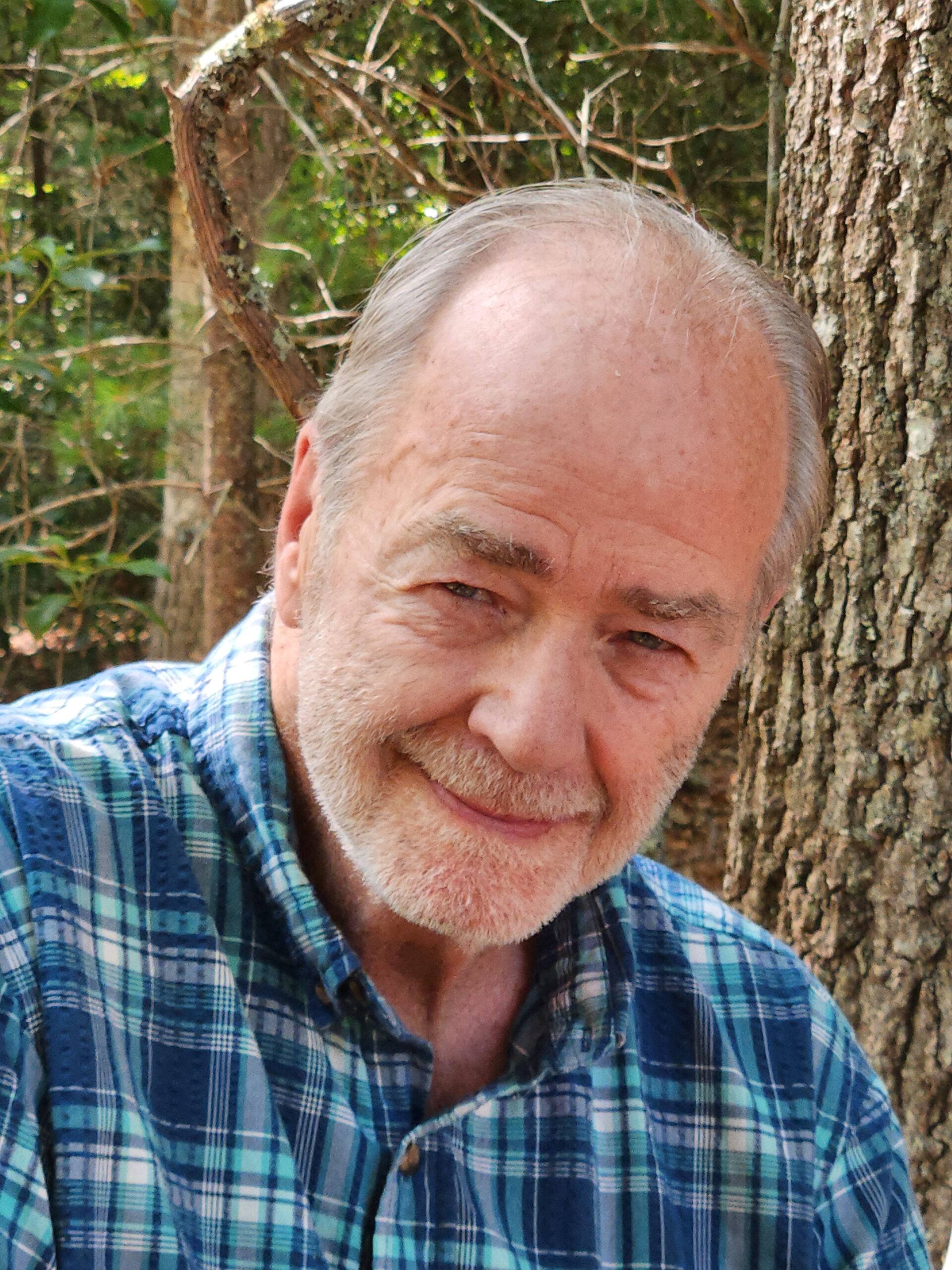
Born in 1946 and currently living in rural Virginia, Richard has spent most of his life engaged in trouble shooting of one kind or another. He has been referred to as a business psychologist, a label he does not relish. He’s also a Vietnam War veteran, having served in the United States Navy. Beginning at an early stage he often found himself being asked to solve problems for others, something he seemed to have a knack for. By the early 1990s the “knack” had turned into a profession, with Richard working in Hollywood consulting artists, directors, producers, musicians, and actors; from novices on up to and including Academy Award nominees. As that business grew, his client base expanded to all types of professions, from the unemployed to the heads of big businesses around the world—often with spectacular success. Ultimately these wins led to offers from a South American government to help them analyze and clean up the corruption in their police and military, including advising the government on its handling of the drug cartels. A skilled investigator and a published poet, Richard today devotes most of his time to research and writing and has several projects scheduled for future publication.